You don’t need a crystal ball to see that our retail landscape has changed. Physical retail has stumbled in the wake of digital stores and e-commerce, but is it really just a case of out with the old and in with the new? Retail experts aren’t so sure.
This concern arose repeatedly at our recent Retail Summit and it’s clear that there is no definitive response. It’s not as simple as physical vs. digital in retail. For every new, fully digital organization, there are countless others for whom physical retail is essential.
With every business approaching this challenge from a slightly different angle, the organizations that weather the storm will be the ones who can leverage the best of both worlds.
Balancing Digital and Physical
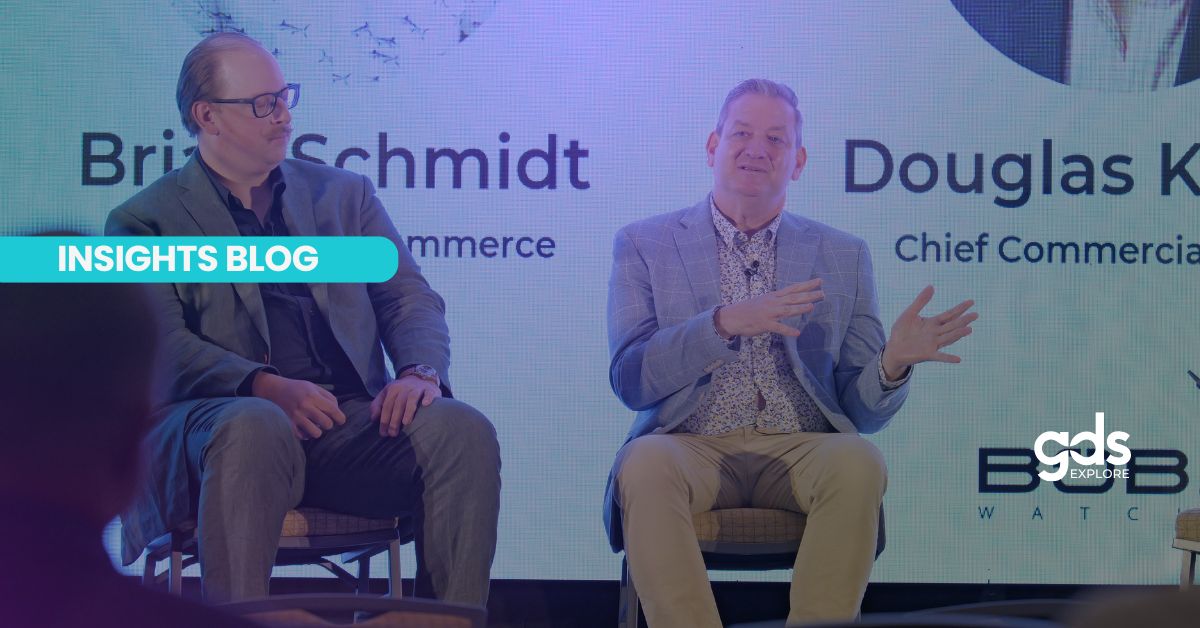
Let’s make this clear right away, stores are not becoming obsolete. During one of our sessions we heard from Brian Schmidt, VP of Digital & Ecommerce at Brooks Brothers. For his organization, being able to go to a store and try on a suit, get measured—the whole shebang—is the customer experience.

For Brooks Brothers, the in-store experience—from suit selection to fitting—is paramount. Until digital can fully replicate this tactile and personalized service, physical stores remain essential. For organizations like Brooks Brothers, evolving to integrate with digital technology is the next step, not a complete departure from physical stores.
With more and more consumers using both in-store and online methods throughout their shopping journey, there is a growing need for a seamless integration between online and offline experiences.
Tradition and the In-Store Experience
For the organizations who think they’re ahead of the game with their fully digital e-commerce experience, you might want to think again. Yes, technology plays a significant role for modern retail experiences, but the experiential appeal of physical stores can be an untapped goldmine.
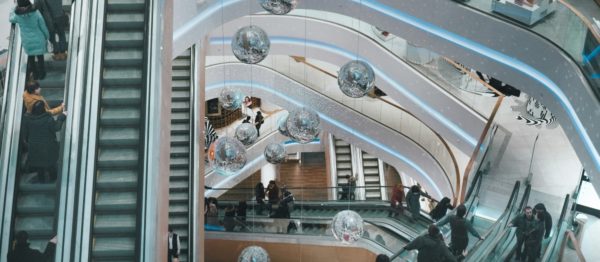
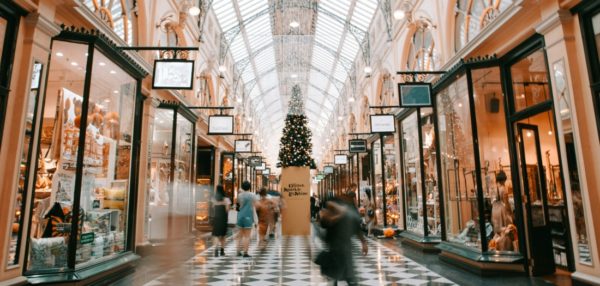
Holiday displays, store atmosphere, and the ability to see and touch products still drive consumers to shop in-store. Plenty of customers, particularly the elusive Gen Z, make an event out of their shopping trips by combining them with other activities.
At another of our summit sessions we also heard from Douglas Kaplan, Chief Commercial Officer at Bobs Watches. Even online native retailers like Bob’s Watches are recognizing the value of physical presence. In the digital age, the prestige and experience of a physical store can still be invaluable.
Physical retail remaining essential for product discovery and buying decisions indicates that the traditional aspects of retail still hold value for consumers.
Technology and the In-Store Experience
Technology is reshaping physical retail spaces. Features like self-checkout, mobile payments, and just-walk-out technology have already made a significant impact on retail experiences. Now organizations are looking at technologies that will transform stores into tech-enhanced playgrounds.
AI-driven innovations, such as styling assistants and dynamic product displays have the power to transform how consumers interact with brands. These technologies allow for personalized recommendations and create immersive experiences that online shopping cannot replicate.
By balancing existing stores with digital technology, organizations can establish an omnichannel retail ecosystem. This blend allows retailers to combine the real-life experiences of physical stores with the convenience of digital tools. Think using an app to visualize a new sofa in your home while being in the store to test how comfy it is.
Balancing Act
Attendees at our Retail Summit suggested a focus on both innovation and tradition. For those already invested in brick-and-mortar, this involves blending innovative technologies and experience-driven offerings to surprise and delight their customers.
For online native retailers, this means exploring the potential of physical storefronts. It may not be for every business, but as evidenced by Douglas Kaplan, there are plenty of opportunities to bring new physical experiences to your existing customer base and beyond.
Whichever side you’re on, the future of retail isn’t about choosing between physical and digital, but about creating a seamless, integrated experience that carefully balances technology to enhance the customer journey without losing the personal touch of in-store shopping.
The brands that can find that balance between innovation and tradition will thrive in our evolving retail landscape.
To take part in the discussions shaping the future of retail, register for our upcoming Retail Summit this March.