Modern healthcare is more reliant on technology than ever before. From patient portals to complex diagnostic systems, the use of digital tools has become essential.
However, this increased reliance has also made healthcare a prime target for cybercriminals. It’s no longer a question of if an attack will happen, but when, making a robust cybersecurity strategy not just important but absolutely critical.
Why is Healthcare Under Threat?
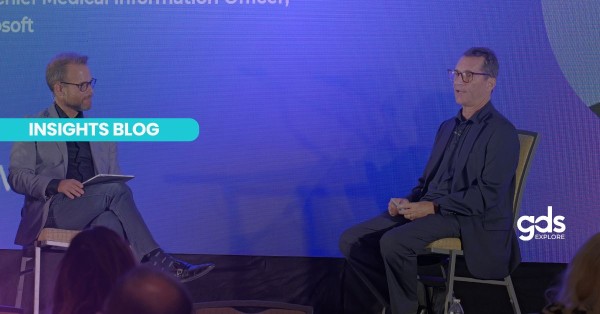
As Jason Cook, of AVP Worldwide, pointed out at our recent healthcare summit, “Cybercrime is quickly becoming one of the biggest growth industries the world knows,” with estimated costs reaching a staggering $10.5 trillion by 2025.
It’s a lucrative business, and healthcare is right at the top of a cyber attacker’s list. The sensitive nature of patient data, combined with the critical need for continuous system operation, makes healthcare organizations particularly vulnerable.
It’s a perfect storm of high-value data and potential disruption, which is why healthcare is considered the number one most attacked vertical in every survey you’ll ever read about cybercrime.
The sophistication of these attacks is also evolving rapidly. Gone are the days of lone hackers; instead, we are seeing well-funded, highly trained nation-states launching these attacks.
According to Mr Cook: “The overwhelming majority of attacks are sourcing less from anonymous attackers or ransomware gangs or cyber threat gangs and more so from nation states.”
Threat actors are now leveraging AI to create new strains of malware and to poison AI repositories with false information. The speed at which they can now create an impact is also alarming, with the time it takes for an attack to have an effect now measured in minutes.
The financial impact of these breaches is immense. The average breach costs around $4.5 million, while a ransomware attack averages nearly $2 million. For smaller healthcare providers, this could be a substantial portion of their annual revenue. But the impact extends far beyond finances. The average downtime is around 21 days, and can result in the rerouting of ambulances, cancellation of critical surgeries, and delays to crucial lab work. The fact is, a successful cyberattack can have a very real and significant impact on patient’s lives.
How Do I Protect My Company?
So, what can be done? A significant amount of money is spent on prevention, trying to thwart attacks before they happen. However, the reality is that “prevention is 100% an illusion,” Cook stresses. The focus also needs to shift towards recovery and resilience.
Here’s how healthcare organizations can improve their cybersecurity posture and recovery capabilities:
Assume breach: Instead of solely focusing on preventing attacks, organizations should operate under the assumption that a breach will eventually occur.
Democratize cybersecurity: Cybersecurity shouldn’t just be the responsibility of the IT department. Every staff member, including end-users, should have a basic understanding of cyber threats and security protocols.
Secure backup copies: Backup copies must be stored securely, encrypted, and unaltered, with access restricted to authorized personnel. Key concepts such as immutability, indelibility, and air gapping of data are critical.
Data analytics: Implement analytics that can scan backup copies to detect anomalous behaviour, identify impacted data, and pinpoint the specific malware variants.
Threat hunting: Proactively scan data for indicators of compromise (IOCs). This not only informs recovery but may also thwart attacks before they happen….
Automate recovery: Predefine recovery workflows to rapidly restore critical systems and applications after an event.
Always Be Prepared
The reality is that healthcare providers need to prepare for the inevitable. With the right measures in place, healthcare organizations can drastically reduce downtime, minimize damage, and ensure the best outcomes for their patients.
As Cook sums it up: “It’s how quickly can I restore critical patient applications and services so that I can ensure the best possible outcomes for our patients.”
It’s time to realize that cybersecurity in healthcare is about both prevention and robust recovery.
Do you work in the healthcare sector? If so, our upcoming healthcare summit in April will focus on more key challenges your company faces. Register your interest on our website.