An engaged workforce is a productive workforce. Unfortunately, engaging your teams has never been harder. In their recent report, Gallup exposed that not only is employee engagement in decline, but there has also been an increase in employees that are actively disengaged.
There are innumerable reasons for why engagement could be on a downturn and HR teams are left asking—how do we turn the tide?
Employees have more choices and access to information and are asking for a new social contract with their employers. HR leaders from across industries joined together at our recent CHRO Insight Summit to tackle this challenge. Here’s what they had to say.
Be About Your Culture
What are your organization’s values? If the answer isn’t immediately apparent, you may have a problem. If you don’t know them, your employees definitely don’t.
Company values are more important than ever for employees and as such are the first step to engaging your staff. An organizational culture rooted in values creates value and will have ripple effects throughout the business from hiring and onboarding to retention.
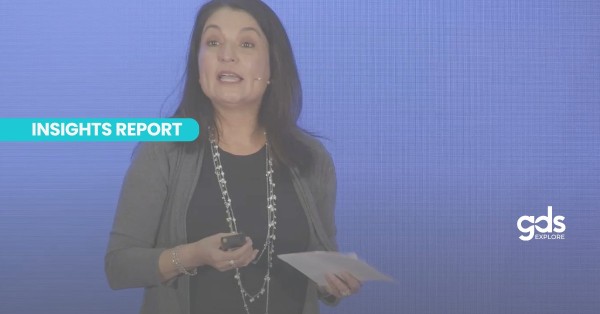
In her session at our recent CHRO Insight Summit, Lorie Boyd, Chief People Officer at Turo, spoke on the importance of values and leadership when engaging your teams:

She added that a strong culture and values isn’t about plastering them on the wall and enforcing them on people, but “wanting it to be a natural reflection” of the business. Instead of pulling your ideas from a top ten list of corporate values, uncover your values by listening to your organization. Take the time to work with your staff, partners, and customers—what does your organization mean to them?
With your values discovered, where are they coming in to play in your organization? For Boyd, it was clear that values needed to be “woven through the entire employee lifecycle” and not just “pulled out at performance review time.”

Invest in Your People
Alongside mismatched values, another key cause of employee disengagement is a lack of investment in them. Investment in your staff can look like many things. Opportunities for growth and recognition, yes, but also appropriate benefits packages.
It might seem overly simplistic, but staff that feel valued and invested-in are going to give that back to your organization in kind. Not only that, but it will also help you to attract and retain talent.
In a roundtable session, Peter Eisenman, VP of Customer Success at Fountain, led a discussion around investing in your people before it becomes a retention problem. The group highlighted regular pulse checks as an effective means to identify where people might be struggling and opportunities for intervention. Eisenman also stressed the importance of growth frameworks for creating the right environment for engagement:

It’s also worth noting, in these times of economic uncertainty, the specter of layoffs weighs heavily on staff. If you invest in your people, you give them a vote of confidence that they are valued, their contributions are important, and that there is a future for them with your organization.
Flexibility and Connection
What does it take to engage a modern employee? Alignment on values? Check. Investment and growth opportunities? Check. What about providing means of working that work for them? About that…
The cat is out of the bag. For all the ills of the COVID pandemic, it gave the world’s employees the gift of being able to see a new way of working and in doing so, empowered them to ask for ways of working that suit them.
Whether it’s fully remote, hybrid, or full-time onsite, the trick to employee engagement lies in flexibility. Lorie Boyd managed the back-to-office whiplash firsthand at Turo:

The outcome? The employees weren’t demanding remote working, they simply wanted the agency to choose what days they came into office. These conversations with your staff don’t have to mean giving everyone fully remote working, but until you ask, you’ll never know what works for your team.
For HR leaders concerned that remote working is making it harder to instil values, culture, and connection, there are solutions. Use digital connection tools to bring people together. Our community had seen success by starting employee resource groups to help staff bond and collaborate. Create opportunities and reasons for people to get together in person—few things drive engagement better than a company BBQ!
That said, I wouldn’t worry too much about the engagement of your remote staff, reports show they’re more engaged than anyone else!
Employee Engagement is Key
Fostering employee engagement is not a one-size-fits-all solution. It requires an approach that prioritizes a strong, authentic culture, meaningful investment in your people, and the flexibility to meet their evolving needs.
Aligning on core values, providing opportunities for growth, and embracing flexible work arrangements are not just perks, they’re essential for building a thriving, engaged workforce. By actively listening to your employees, adapting to their preferences, and consistently reinforcing your company’s values, you can create a workplace where employees feel valued, connected, and empowered to contribute their best.
Ultimately, the future of work hinges on our ability to create environments where people don’t just work, they thrive.
For more insights on the challenges facing today’s HR leaders and to join your peers in the conversation, check out our upcoming CHRO Insight Summit this April.
To see all our upcoming summits, please see our events page.