You would think that establishing and enforcing new regulations and standardized practices could only be a good thing for cybersecurity leaders. But when these new regulations begin to impact business operations, it’s no wonder balancing security and agility can feel like walking a tightrope.
If you’re not compliant, you risk legal repercussions and reputational damage. But if you’re too focused on compliance, you slow down your ability to adapt and innovate. How does the modern CISO balance security and agility while staying compliant?
Catch-22 Compliance
From data privacy laws to industry-specific standards, the regulatory landscape is an endless maze—just when you think you have it solved, in comes another turn. Staying compliant has become a full-time job for security teams. The more regulated the industry, the more likely it is that compliance is driving the car, not the business objectives.
Yet, compliance doesn’t always result in better security. Many regulatory requirements are simply a reporting burden without a direct return on investment for security, Compliance is becoming the cost of doing business—pay to play.

Adding to this, some regulations are not driven internally but rather by customers or business partners who impose their own security expectations. These customer-driven requirements are important, but they are also another layer of complexity for teams already stretched thin.
The tension between strict adherence to compliance and the desire for business innovation is unavoidable. While compliance keeps businesses safe from risk, it often creates a rigid structure that stifles flexibility and creativity.
The Need for Speed
In a world that’s constantly changing, agility has never been more important. Businesses need to adapt quickly to market shifts, emerging technologies, and new regulatory demands. The ability to pivot, evolve, and launch new products or services is what sets successful companies apart from, well, the not so successful ones.
However, the relentless focus on compliance can sometimes undermine this agility. With every new rule, businesses must recalibrate their processes, slowing down development cycles and making it more difficult to meet deadlines.
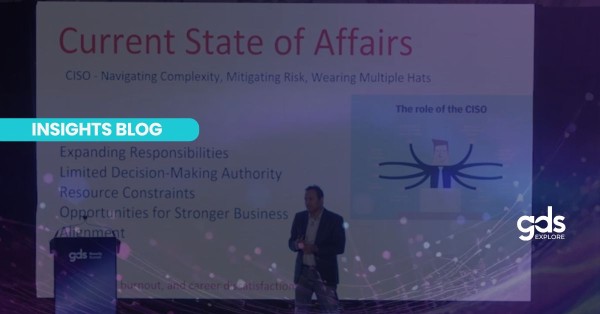
Security teams, traditionally seen as gatekeepers, need to adapt. Rather than slowing down the business, security should enable it. Take, for example, the expansion into new regions. Security should be an enabler, ensuring that new markets can be accessed without unnecessary delays or roadblocks.
Finding the Balance
The key to success is finding a way for compliance and agility to co-exist. Rather than seeing them as opposing forces, security leaders must position themselves as a facilitator of both. As such, finding that balance comes down to culture and communication.
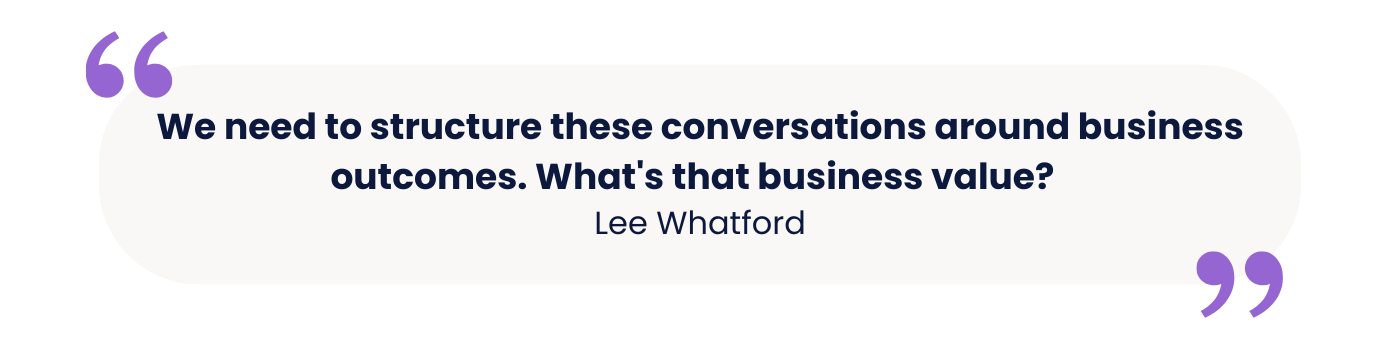
Communication is paramount. We’ve heard time and time again that security teams must speak the “language of the business,” but what does that mean? In this instance, it’s helping stakeholders understand how compliance and security align with organizational goals.
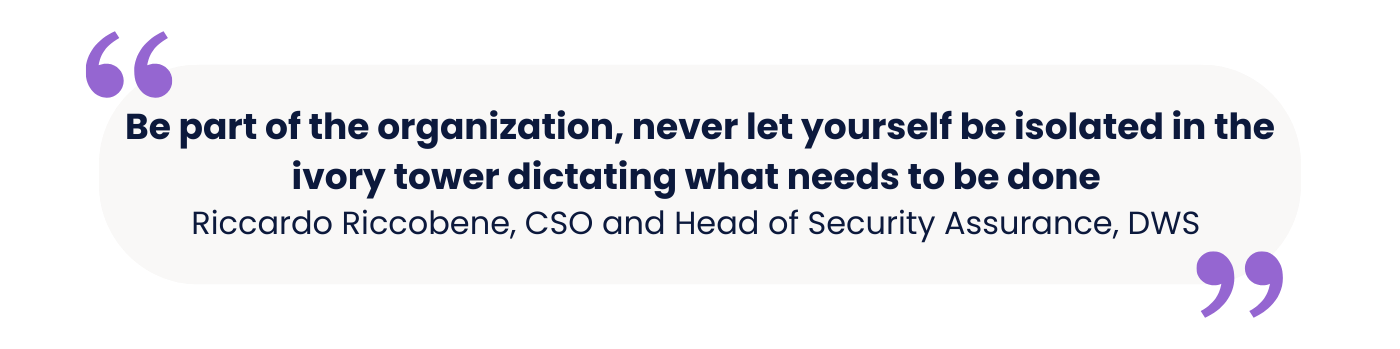
Security must also be embedded into the very fabric of your organization and at the inception of all developments. Not as an afterthought.
A proactive approach, where security and compliance are baked into product development, can prevent unnecessary delays down the line. A “minimum viable product” approach to compliance is also helpful. Implementing the core requirements without excessive bureaucracy ensures that businesses can move fast while remaining compliant.
Making it Work
At our recent Security Insights Summit, the conversation around security and agility crept up more than a few times. We heard how the community was tackling this challenge on a practical level. Here are some of their suggestions.
- Early Engagement
Involve security teams early in the process, especially during procurement and product development. The earlier security is brought in, the more easily it can be integrated into the broader business goals.
- Framework Utilization
Rather than reinventing the wheel, businesses should leverage existing security frameworks to meet new compliance regulations. This not only saves time but ensures that businesses stay aligned with best practices.
- A Risk-Based Approach
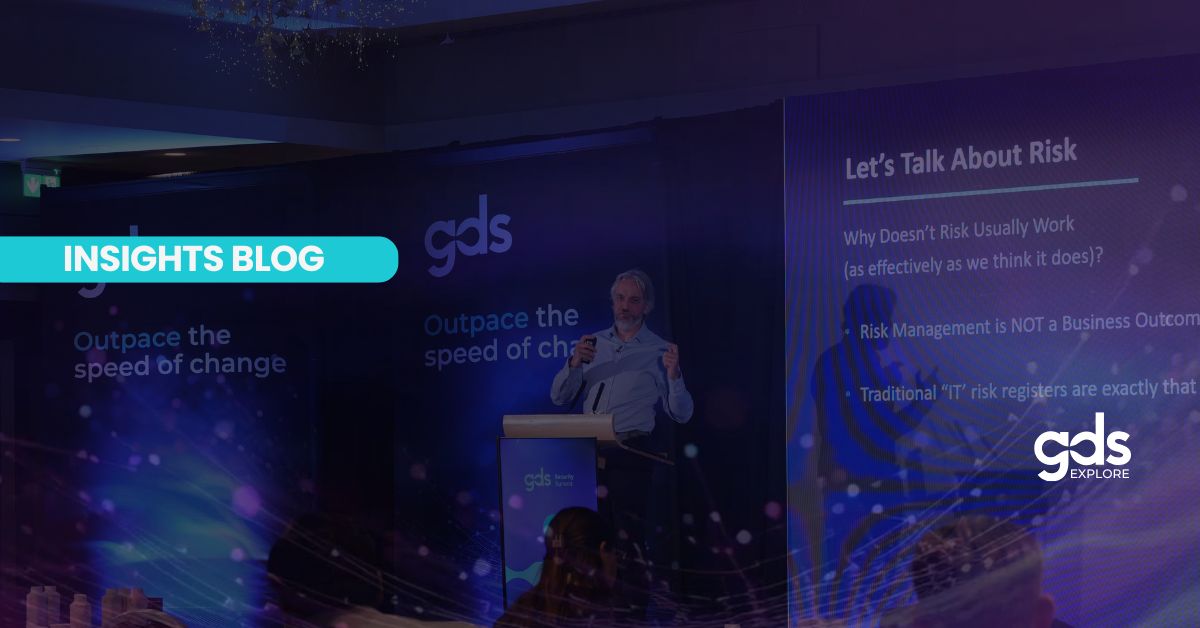
Quantify risk and understand your risk appetite. By doing so, business leaders can make informed decisions about the level of risk they are comfortable with, balancing innovation and security needs. Again, communication is key.
- Education and Awareness
Empower end-users to become security advocates. Educating employees about security best practices creates a culture of compliance and reduces the likelihood of breaches.
- Communication is Key
Maintain constant dialogue between security and business teams. Understand the goals and changing requirements to ensure alignment across the organization.
- Continuous Improvement
The balance between compliance and agility isn’t static. Teams should continuously evaluate and improve processes to drive efficiency, better security posture, and faster innovation.
- Data-Driven Decisions
Use data to understand your security posture and risk level. Making decisions based on data rather than vague marketing claims allows for more informed, proactive security measures.
- Use Existing Tools in New Ways
Instead of constantly adding new tools to your security arsenal, explore ways to use the tools you already have more strategically. This can help streamline efforts and improve overall security effectiveness.
Security and Agility
Striking the right balance between compliance and agility is essential to surviving the modern business landscape. By strategically aligning security with business goals, focusing on communication, and continuously improving processes, companies can successfully navigate the compliance tightrope.
When security works hand-in-hand with agility, businesses can stay competitive, compliant, and prepared for the future.
For more insights on the future of Cybersecurity and to join the conversations shaping it, check out our upcoming Security Insight Summit this May.
To see all our upcoming summits, please see our events page.