“Data is the new oil” is a phrase every data leader has heard—usually from an excited CEO who is already slipping on their running shoes having never walked a day in their life. Yet despite the enthusiasm, few organizations are ready to start their data journey. And what is holding them back? People.
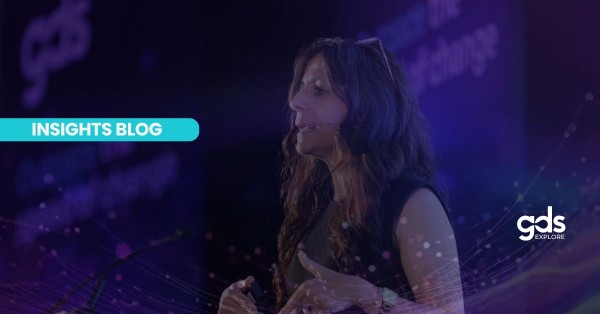
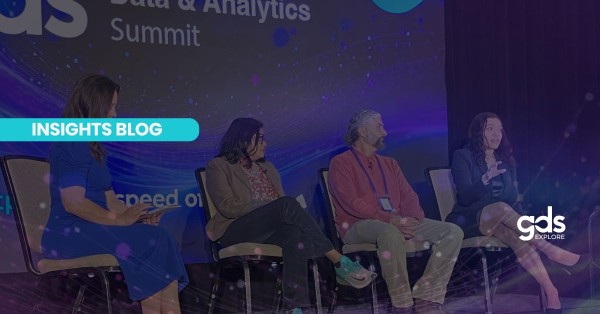
According to Dr. Christina Sandema-Sombe, Co-Founder and CDO at Datum Café, people are the linchpins of data initiatives. In her keynote address at our recent Data & Analytics Insight Summit, she spoke on the importance of considering the human element at every part of the data journey.
Here are some of our key takeaways from her session.
Preparing for the Journey
Sandema-Sombe likened the data journey to a marathon. Imagine you’re preparing for the race—what do you need to do? Physical training, optimizing nutrition, even something as obvious as registering for the race, it’s all on the to-do list because you would never dream of showing up to a marathon without preparation, right?
Why would we not take the same approach to data?
Organizations today are trying to start their data journey at the technology, not considering whether they’ve even signed up for the race. What this leads to, as Sandema-Sombe so eloquently put it, is the “loop of death” where data experts are trying to deliver quick-wins on data initiatives without any crucial foundations like executive buy-in or impactful use-cases.
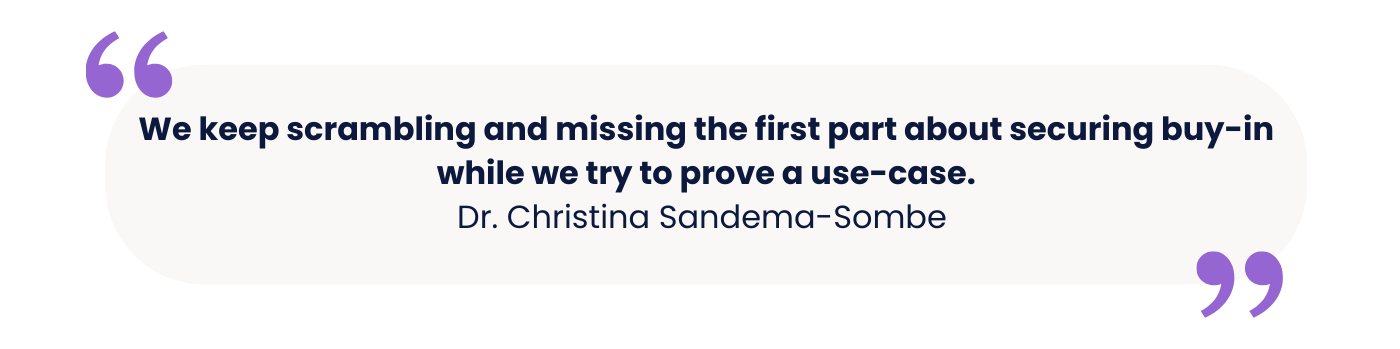
To escape the loop of death, prioritize securing leadership buy-in, choose impactful problems collaboratively, and make sure the necessary organizational structures are established before you make any promises.
Your People Problems
The lack of preparedness for the data journey speaks to a much larger cultural problem within organizations today. Sandema-Sombe identified three key areas that must be addressed if data initiatives are to succeed.
Cultural Resistance
Resistance to change and the lack of a data-driven mindset among leadership and employees can hamper data initiatives, limiting their potential benefits.
Organizational Silos
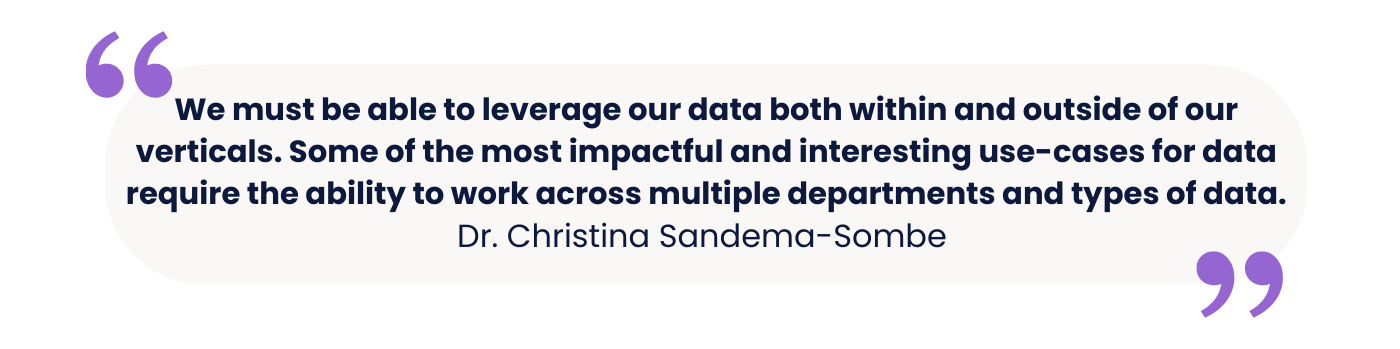
Silos and a lack of cross-functional collaboration hinder the sharing and integration of data. This in turn hinders the development of a comprehensive, enterprise-wide data strategy required for successful adoption.
Talent Gap
A shortage of skilled data professionals with the necessary expertise to manage, analyze, and leverage data.
Sandema-Sombe was quick to add that the problem extends beyond the hiring practices as well: “We’re not educating our people to be on board. We hire data and analytics teams who have all the understanding and skills, but don’t understand how to bring about the necessary collaboration with people who don’t.”
Addressing the Challenges
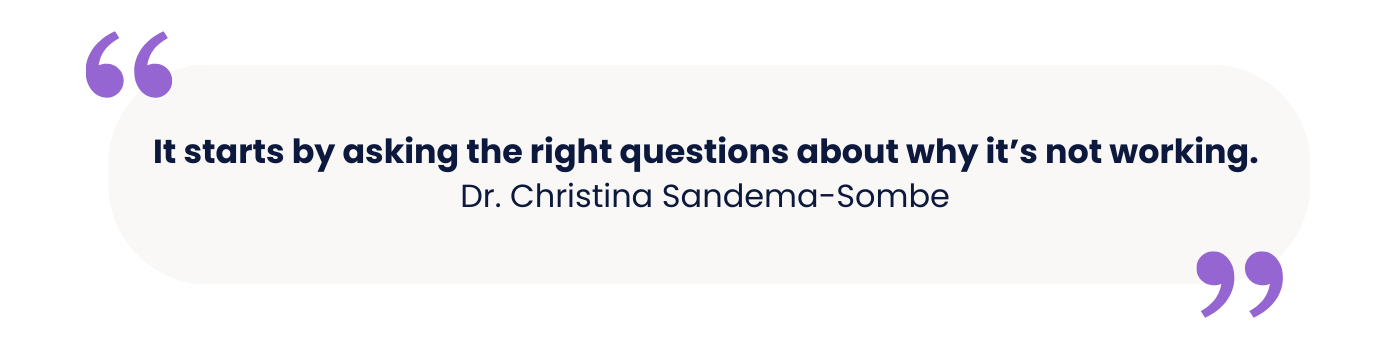
So, what are these questions?
Are Your Leaders Committed?
It is important to assess leadership commitment and ensure that collaboration is expected of all stakeholders. Agreement on data priorities should translate through existing processes, hiring practices, and employee development.
Are You Demonstrating the Importance of Data?
Demonstrate the importance of data to all employees by formalizing knowledge requirements and promoting upskilling through data literacy programs. Sandema-Sombe distinguished between data literacy and fluency. She noted that “Most people are not data illiterate, but they’re not fluent and can’t talk or work comfortably with it.”
Are You Addressing the Impact of Your Organization’s Culture?
It is essential to identify the impact of the organization’s culture on its ability to become more data driven. Addressing the reasons for resistance to change, such as evolving job roles, changing processes, and new technologies, is crucial. As part of this, Sandema-Sombe emphasized the importance of change management.
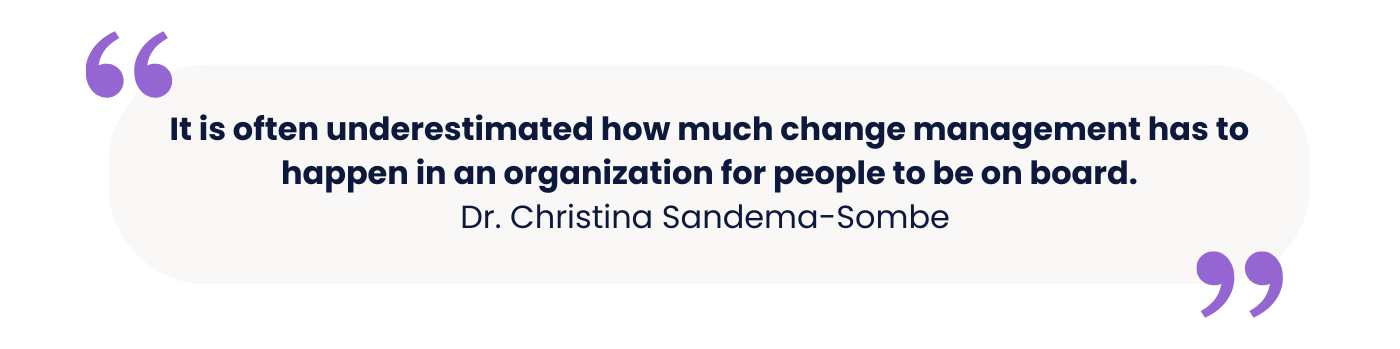
She added, “Although data experts are happy and excited by new toys, for the rest of the organization, you’re probably changing a lot more than you think.”
Data Literacy to Data Fluency
The single most effective way to tackle a resistant culture, drive adoption, and secure organizational buy-in is by taking the steps to establish a benchmark of data literacy. This is easier said than done. Fortunately, our speaker was on hand once again to share her framework for fostering this change.
- Identify knowledge gaps through assessments of data literacy levels across departments and roles.
- Define measurable data literacy standards for each job function.
- Design a structured data literacy program with targeted training, workshops, and learning resources.
- Provide ongoing support and coaching to employees.
- Regularly assess the impact of the data literacy program and adapt it as needed.
The Linchpin
Sandema-Sombe concluded that every organization is different and as such leveraging your people’s expertise is essential.
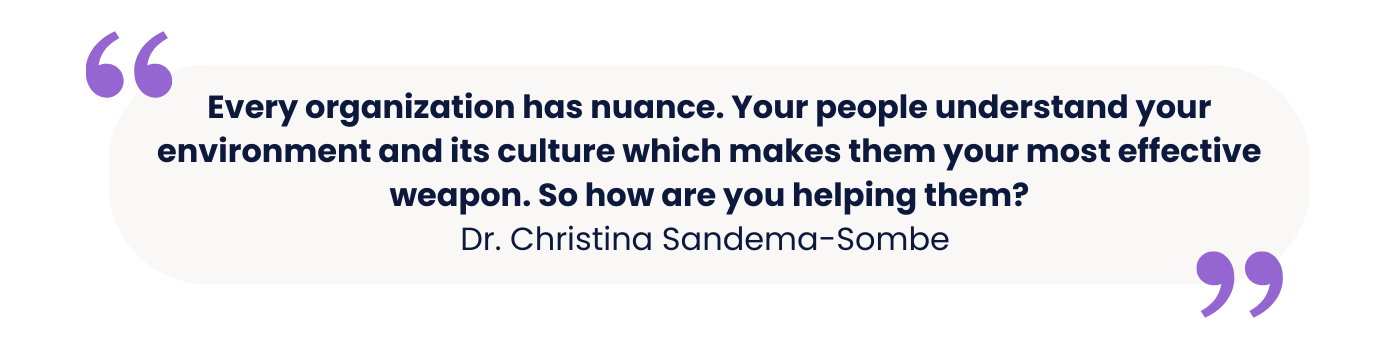
By asking the right questions and focusing on business engagement, data fluency, and cultural change, even the most stubborn organizations can successfully transform their cultures and see data success.
Thank you so much to Dr. Christina Sandema-Sombe for sharing her expertise with our community. For more insights on the future of data & analytics and to join the conversations shaping it, check out our upcoming Data & Analytics Insight Summit this April.
To see all our upcoming summits, please visit our events page