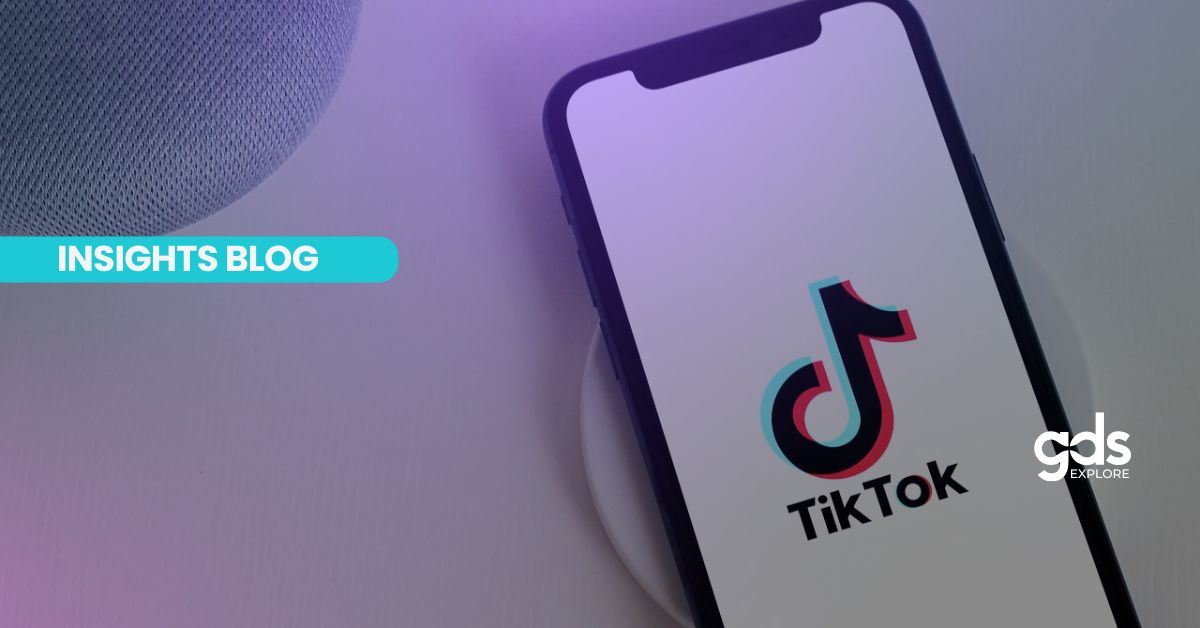
Unless you’ve been living under a rock, you’ll be very aware of the recent saga that has been ‘TikTok vs. The US Government’.
For a quick refresher, last year a law was passed by Congress that gave TikTok’s Chinese parent company, ByteDance, until the 19th of January 2025 to sell TikTok or be cut off from the US market. TikTok challenged this ruling but was rejected unanimously by the Supreme Court, leaving the US in limbo as to what exactly would happen on the 19th and whether there was a chance TikTok could be saved.
After months of anxious waiting, the 19th came and sure enough, ByteDance began shutting down TikTok’s services in the US. For the many influencers and marketers who had built their livelihoods around TikTok, this was a worst-case scenario.
12 hours later however, TikTok was back online with the following message: “Thanks for your patience and support. As a result of President Trump’s efforts, TikTok is back in the U.S.!”
Political ramifications of that aside, this debacle raises a key concern for marketing leaders. What do you do when one of your key marketing platforms gets taken down?
Have a contingency plan
One thing that has become abundantly clear is that no platform is truly safe. Beholden to the whims of capricious technocrats and geopolitical tensions, the platforms we use every day can be taken away just as easily as they were given.
For marketers, it’s essential to have contingency plans in place and to be prepared for the worst-case scenario. This includes backing up campaign data, reports, videos, and audience demographic information regularly. Staying ahead of potential shutdowns is one thing, but you can’t see every shutdown coming.
Social media is a highly dynamic space with frequent changes. Consider the impact of sudden political shifts and other factors when building your content strategy.
Diversify
It can be tempting to go all in when you really find your groove with a platform. Never put all your eggs in one basket. Do not rely too heavily on a single platform, instead, build a presence across multiple platforms.
As far as TikTok is concerned, natural analogues such as Instagram Reels and YouTube Shorts can easily house the same strategy. By using multiple platforms, marketers can maintain reach and mitigate the risk of over-reliance on any single channel.
Stay adaptable
It’s not only shutdowns that marketers must contend with. These platforms are constantly evolving, and one errant update could easily tank your entire strategy. It sounds dramatic, but what do you do if you’ve built an entire campaign around 7 second videos only for an update to determine that 15 seconds are now priority?
Keeping an eye on trends and staying informed about how different platforms are adjusting their algorithms will allow you to quickly optimize content accordingly. There will invariably be dips in performance around key updates, but the faster you can get to grips with updated algorithms, the faster you can get back to delivering results.
Change is inevitable. Despite everything always seemingly moving at breakneck pace, it’s important to remember that marketing is a marathon, not a sprint. Build systems and processes that allow for flexibility. With flexibility you aren’t just reacting to the current situation but are prepared for the next curveball.
Follow your audience
When one platform goes, where will your customers migrate to? Employing social tracking tools to monitor where audiences are going can set you up to test content in new spaces quickly.
For the 12 hours TikTok was down, there was an attention vacuum. In that time, where did your audience go? Were you there ready to capitalize on the influx of users?
Analyze the role of your platforms. Using TikTok as an example again, Instagram Reels might be the most natural port of call given their similarities. Marketers should examine the role that the platform plays in their overall media mix and be prepared to redistribute their efforts if needed.
Don’t panic!
Even if a platform is shut down, it’s not the end. Like with TikTok, some act of providence may bring it back before it ever becomes a problem. Should the worst happen, and a key platform be lost indefinitely, focus on strategies that align with the broader cultural shift that the platform initiated.
What was it about TikTok that resonated with the audience and allowed it to dominate the attention of millions? The platforms themselves may not be forever, but the lessons learnt about your audience aren’t going anywhere – use them!
We can’t predict the future. Yes, TikTok has survived execution, but for how long? We’ll be diving deeper into the challenges around modern platforms and maximizing their impact at our upcoming CMO Insight Summit. We hope to see you there.