
It should come as no surprise that being a CISO is tough. It’s a stressful job but that comes with the territory, right?
At what point does it become too much?
The trouble facing CISOs today is that their role is evolving as fast as the threats they tackle. New threats mean larger workloads and fresh obstacles. Meanwhile all the existing threats are still there.
The average CISO is understandably running out of steam.
At our recent Security Insights Summit, it was heartening to see attendees open up and discuss the pressures they face as security leaders. Here are some of their key insights.
The pressures
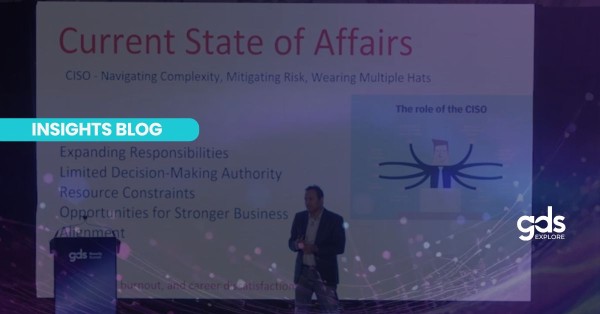
Quite simply, the key pressure facing security leaders is the scope of the role, and number of stakeholders to manage.
- Incident response
- Supply chain risks
- AI risks
- Threat detection
- Training and education
The list goes on.
Security leaders are being overwhelmed, resulting in the top priority becoming incident response and fighting fires. A simple solution would be increasing resources to spread the load, but as organizations tighten their belts, CISOs are being asked to do more with less.
If that wasn’t enough, personal liability is the cherry on top. If a company suffers a cyberattack, it’s the CISO who takes responsibility. As we’ve heard time and time again, suffering a cyberattack is not an if, it’s a when. With that in mind, are CISOs doomed to a cycle of burn and churn every time the inevitable happens?
Lightening the load
If you’re tackling a human problem, you need a human solution. To counteract the pressures of burnout, our attendees emphasized the importance of prioritizing the humans within their team. Speak with your teams, understand the challenges, and support each other wherever possible.
In all the technical talk around security, it’ easy to forget a key component of being a security leader – relationship management. Taking stock of your relationships and communications will lead to a more intentional and resilient mindset.
Setting boundaries
With the constant threat of cyberattacks, it’s easy for CISOs to feel like they’re always on-call.
Part of this comes from the narrative we set up around cybersecurity. When security experts are positioned as the organization’s defenders from attack, it’s understandable that they feel they should always be ready to fight the good fight. It’s precisely this personal responsibility that CISOs need to step away from.
Setting boundaries is essential. Without boundaries, burnout becomes as inevitable as a cyberattack.
Outside of the obvious mental health benefits, boundaries allow security leaders to think more considerately about their time and as a result, manage their priorities.
“We need to move away from everything being a priority. If everything is a priority, nothing is getting done.”
– Rick Scot, SVP of InfoSec at BNY
Mentorship and community
A little support can go a long way. It’s impossible to set healthy boundaries in an organization that doesn’t respect and value their security staff. It’s a truth that bad leaders drive people to leave. Building relationships with business leaders and identifying security champions will help but, unfortunately, if the support isn’t there, you’re on your own. Literally.
When support within your organization isn’t available, turn to the community.
GDS is proud to provide a platform for our security community because we understand how vital it is. Information sharing, understanding the challenges of your peers, and offering mutual support will be the beginning of a better security industry.
The evolving role of CISO
Being a CISO is, and will continue to be, a difficult job. But don’t despair, there’s a brighter future ahead. As we continue to shine a light on the challenges of security leaders, we pave the way for better, more human leadership.
With a growing need for authenticity and humanity in the workplace, today’s security experts are leading the charge.
Join the charge at one of our upcoming security events where we’ll continue the discussion on navigating cybersecurity and business challenges in the modern era.