
Brand safety is at the forefront of the modern marketer’s mind. When something as simple as a poorly judged X post can damage your brand’s reputation overnight, paying attention to how your business presents itself becomes a priority.
With newer generations becoming more socially conscious, it’s imperative that your brand understands how to navigate a tumultuous online space while protecting its values and those of its customers.
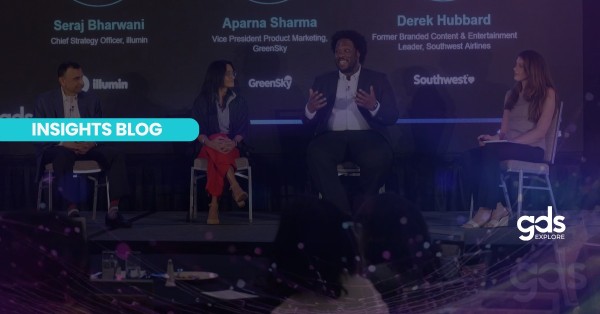
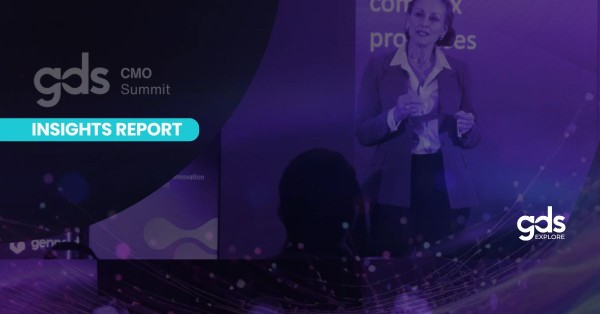
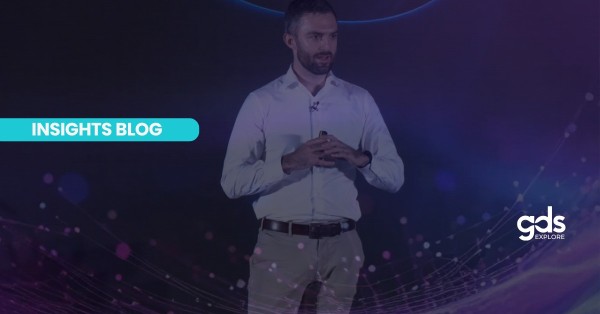
At our CMO Summit at Tiburon Ballroom, Florida, a panel of CMO experts took part in a panel discussing the pain points marketing officers feel in an ever-evolving society.
What is Brand safety?
Brand safety is a measure of how well a brand is protected from being associated with offensive content. However, it doesn’t stop at your company’s messaging, it covers return on investment issues too, such as ad placement and context.
For example, you probably won’t sell ad space to Pizza Hut if your work focuses on supporting families on the poverty line.
As well as avoiding major faux pas, brand safety is about building trust and loyalty with your audience, ultimately maximising your returns.
But how do you ensure brand safety? What can you do to stay ahead of societal standards? Here is what the experts had to say.
Don’t pretend to have all the answers
Your brand isn’t infallible.
Sometimes not saying something is the strongest move, especially if what you’re saying has little planning, no direction for execution, and at worst, is seen as pandering.
In 2020, a large number of brands took to social media in support of the Black Lives Matter movement. Unfortunately, for some big names, these innocent Tweets were soon called out by their audiences for being disingenuous, full of hollow promise, and sometimes inconsistent with previous actions of the company.
While marketing departments mean well, if you’re going to jump on the bandwagon, be careful. Social media users have long memories and always keep the receipts.
Jennifer Alvarez, VP of Brand for Miami Heat, spoke on the 2020 BLM protests:
“We want to be part of the solution, but what does that look like.
“We solicited our fan base for ideas. We don’t want to just issue a statement, we want to program build. And it was a really meaningful dialogue.
“People very much appreciated that a brand like Miami Heat didn’t pretend to have the answers. We were saying “you are a member of the community, and how can we help.”
You will earn more respect by being honest and saying you don’t have the answers rather than rush to make a half-hearted statement.
Get ahead of the issues
A big part of brand safety is damage control. Crisis can strike without a moment’s notice. This could be down to a misjudged social post, reaction to a PR nightmare, or even something as simple as your CEO making racist comments (see Papa John’s).
Things go wrong. It’s inevitable. How you handle the fallout of these situations is every bit as important as trying to prevent them in the first place.
A perfect example of how not to handle a situation can be found when you look back at the United Airlines (UA) masterclass of “PR done poorly”.
Over 2017, UA’s stock dropped by $1.4bn after a video began circulating showing a passenger being forcibly removed from a flight. Rather than solving the issue outright, the airline apologized in a very broad manner, followed by an email from the CEO seemingly blaming the bloodied victim.
Fancy trying to put a fire out with gasoline? No? Well UA has.
In the years that followed, UA was an easy target of memes and online reproach. Some of the main lessons from this still ring true:
• Don’t wait to apologize and when you do, make it sincere
• Never blame the victim. If you’re a cybersecurity company and a client’s data is leaked, don’t shirk the responsibility to them
• Focus on company-wide continuity, ensuring everyone is on the same page and provides a similar message.
Failure to act is failing to maintain brand safety.
For more insights like this, and to take part in the conversations on the future of your industry, register your interest for our upcoming CMO Insights Summit.